Spark Plug Selection: From Material to Heat Range
Material choice: nickel / platinum / iridium?
Nickel spark plugs are budget-friendly for everyday cars, with a replacement interval of about 30,000 km. Platinum plugs last longer (about 50,000-60,000 km) with more stable ignition. Iridium plugs deliver the strongest spark and can last 80,000-100,000 km, ideal for high-performance engines. TORCH spark plugs distributed by Biyang cover all three material families, and all OE-matching production lines are ISO9001 certified.
Heat range matching: cold vs hot plugs
The lower the heat-range number, the colder the plug (for high-revving, high-output engines); the higher the number, the hotter (for low-speed city driving). If your owner's manual specifies NGK BP6ES, the TORCH equivalent is F6TC; NGK BPR6ES maps to TORCH F6RTC (resistor type). The Biyang tech team can verify the correct OE spark plug model for your vehicle.
OE part number cross-reference: the key to a direct fit
The original OE part number is the most reliable basis for choosing a spark plug. Common examples: Toyota 90919-01253, Honda 98079-5614H, VW 06H905611C, Buick 12621258. Just tell us your vehicle and Biyang will match TORCH spark plugs to the same OE number at 30-50% of dealership prices.
Ignition Coils: The Component That Decides Power Delivery
What to look for in an ignition coil
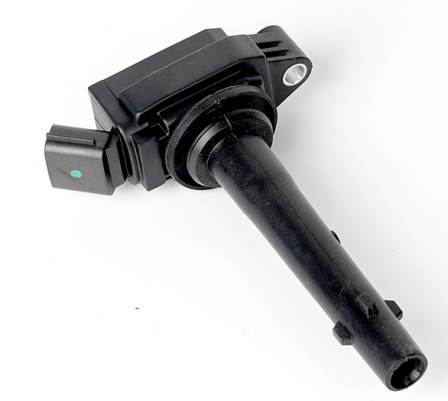
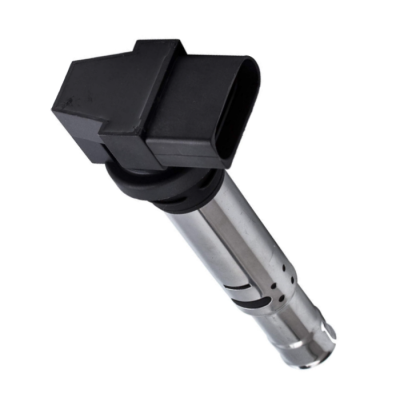
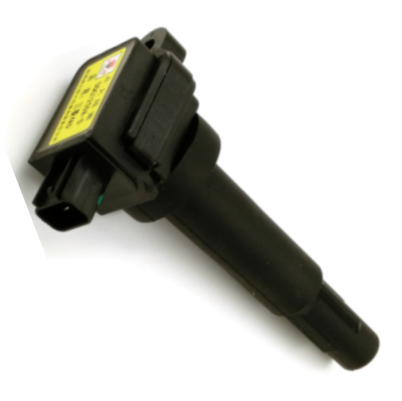
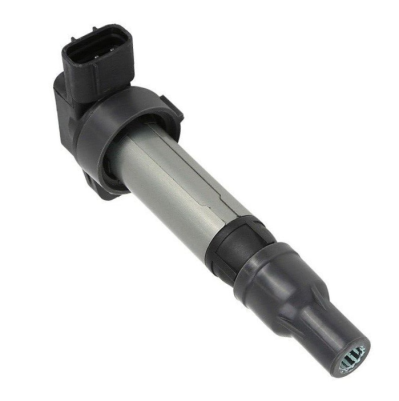
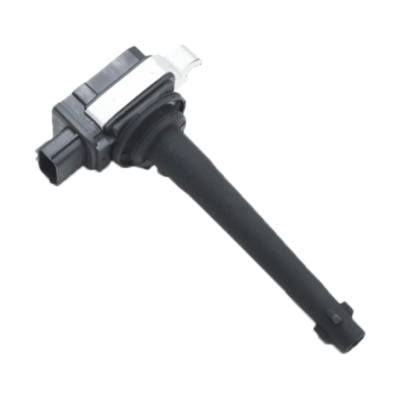
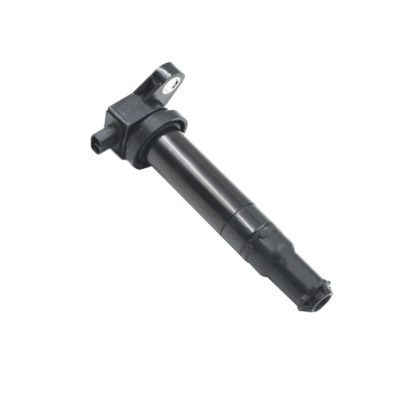
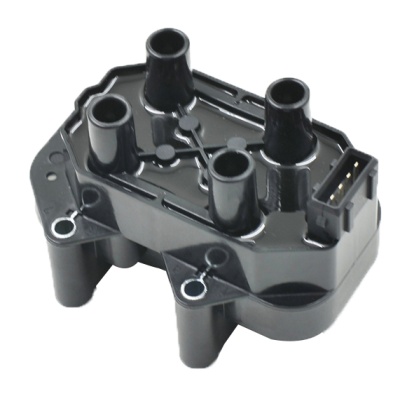
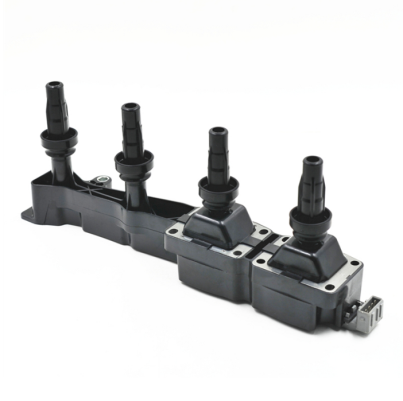
An ignition coil steps 12V up to 20,000-30,000V to fire the spark plug. Check three things: (1) primary resistance matching the original; (2) heat resistance (engine bay temperatures reach 120°C); (3) waterproof and vibration-resistant design. TORCH ignition coils distributed by Biyang cover 2,000+ OE numbers, fitting VW, Audi, Toyota, Honda, Buick and other mainstream platforms.
Symptoms of a failing ignition coil
(1) Engine misfiring/shaking, especially at idle; (2) sluggish acceleration and rising fuel consumption; (3) check-engine light with misfire codes such as P0301; (4) black smoke from the exhaust. Get it tested as soon as the first two appear — otherwise the catalytic converter may be damaged.
Oxygen Sensors: The Core of Emissions Control and Fuel Economy
Upstream vs downstream oxygen sensors
The upstream (front) O2 sensor sits before the catalytic converter and controls the air-fuel ratio; the downstream (rear) sensor monitors catalytic converter efficiency. They are not interchangeable and differ about 30% in price. Biyang tech support can identify front vs rear for your vehicle by VIN.
Oxygen sensor replacement interval
Front O2 sensors last roughly 80,000-100,000 km; rear sensors up to 150,000 km. Install with the OE-specified torque (typically 40-45 N·m) and apply anti-seize compound.
FAQs about Ignition System
Answers compiled from years of hands-on experience by the Biyang technical team, to help you resolve sourcing and usage questions fast.
QHow often should spark plugs be replaced?▾
QHow do I choose the right spark plug model?▾
QCan I keep driving with a bad ignition coil?▾
QHow do I tell whether the front or rear oxygen sensor has failed?▾
QIs TORCH a reliable brand since it's Chinese?▾
Recommended Ignition System
Hand-picked Ignition System from Biyang, all from authorized brands — request a quote or view details directly.
Need a quote for Ignition System? Contact Biyang
Send vehicle model + year + part type — the Biyang tech team replies within 12 hours with OE numbers, pricing and stock. Service in English, Spanish, Russian, Arabic and Chinese.