Brake Pad Selection: Material Decides Performance
Ceramic vs semi-metallic vs NAO
Ceramic pads: low noise, low dust, long life (about 50,000-60,000 km) — best for city commuting. Semi-metallic pads: strong braking force and low cost, but noisier and dustier — suited to commercial vehicles. NAO (non-asbestos organic) pads: eco-friendly and balanced — the mainstream choice for family cars. Biyang distributes FERODO (a century-old British brand) and TEMB pads covering all three material families.
OE matching and brand selection
Judge pad quality by four points: (1) friction coefficient stability (high-temperature fade rate); (2) shear strength (≥2.5 MPa); (3) wear rate; (4) noise. FERODO pads hold a 60%+ OE fitment rate in Europe and North America; Biyang's distributor prices are only 30-40% of dealership levels.
Buy front and rear pads separately
Front pads deliver 70% of braking force and wear twice as fast as the rears. Replace front and rear together to avoid uneven braking. Biyang tech support can recommend the optimal 'X front sets + Y rear sets' combination for your vehicle.
Brake Disc Selection
Vented vs solid discs
Vented discs have internal air channels for better heat dissipation — ideal for highway use or heavy loads. Solid discs are simpler and cheaper, suited to city driving. Rear axles usually run solid discs or drums; front axles usually vented.
Drilled and slotted discs: a performance upgrade
Drilled/slotted discs dissipate heat faster and reduce fade, but accelerate pad wear by roughly 20%. They suit track or mountain driving; most family cars don't need them.
Brake Fluid: DOT Grades and Replacement
DOT3 / DOT4 / DOT5.1 differences
DOT3: 205°C dry boiling point, entry level. DOT4: 230°C, the mainstream for family cars. DOT5.1: 260°C, for high-performance and racing use. FERODO DOT4 fluid distributed by Biyang is ISO 4925 certified.
Brake fluid interval: every 2 years or 40,000 km
Brake fluid is hygroscopic. Once water content exceeds 2%, the boiling point drops sharply and hard braking can cause pedal fade or even failure. Flush every 2 years regardless of mileage.
FAQs about Brake System
Answers compiled from years of hands-on experience by the Biyang technical team, to help you resolve sourcing and usage questions fast.
QHow often should brake pads be replaced?▾
QCeramic or semi-metallic pads — which is better?▾
QCan DOT4 and DOT5.1 be mixed?▾
QDo I need to replace the discs when changing pads?▾
QAre FERODO pads Chinese-made or imported?▾
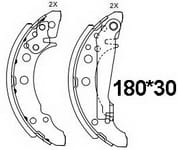
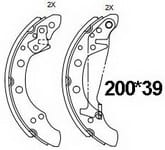
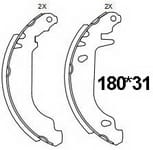
Recommended Brake System
Hand-picked Brake System from Biyang, all from authorized brands — request a quote or view details directly.
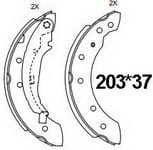
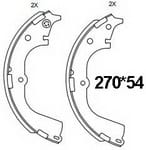
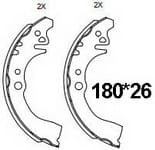
Need a quote for Brake System? Contact Biyang
Send vehicle model + year + part type — the Biyang tech team replies within 12 hours with OE numbers, pricing and stock. Service in English, Spanish, Russian, Arabic and Chinese.